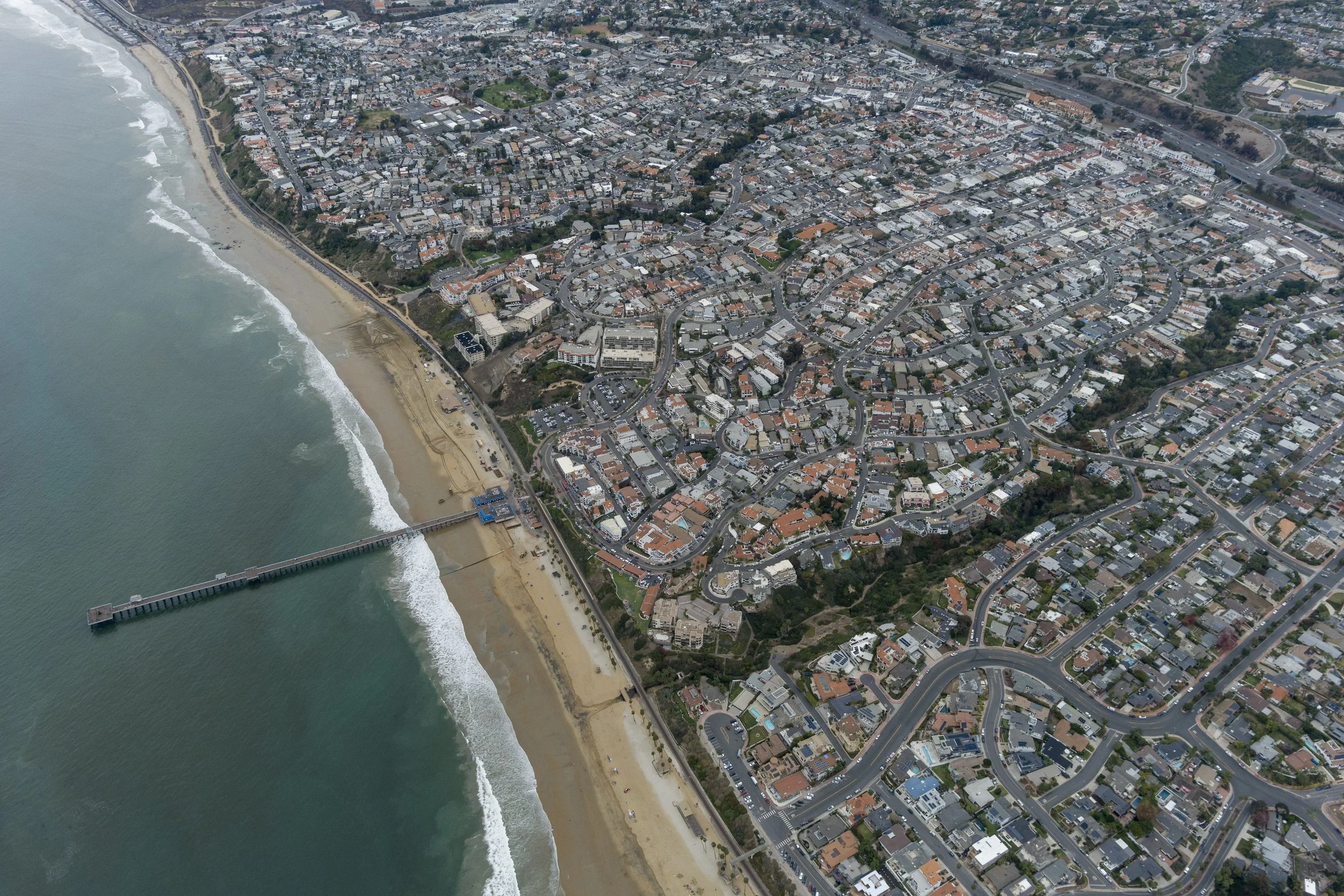
San Clemente is Running a Sand Deficit
San Clemente’s beaches are not disappearing because sand stopped moving. They are narrowing because less beach-quality sand is entering the Capistrano Bight than before — while waves, storms, and hardened infrastructure continue to expose the shoreline.
The result is a coastline increasingly defined by cobble, riprap, and emergency protection where wide sandy beaches once buffered recreation, surf, habitat, and infrastructure.
North Beach, San Clemente
1996 vs 2019
Photos provided by: Don Kindred, San Clemente Journal


Cottons Point, San Clemente
2008 vs 2021


San Clemente does not just need sand once. It needs a long-term sand management program that resets the beach and keeps the system from falling back into deficit.
What Changed?
Historically, San Clemente’s beaches were fed by a broader coastal sediment system that included creeks, bluffs, rivers, beaches, and nearshore sand movement. Over time, that system has been altered by development, flood control, shoreline armoring, reduced sediment delivery, and infrastructure built close to the coast.
The result is not one single cause. It is a cumulative sand deficit.


What San Clemente Needs
Sand still moves here. The issue is supply. Less sand is entering Capistrano Bight than it used to, so beaches spend more time in deficit and narrow over time.
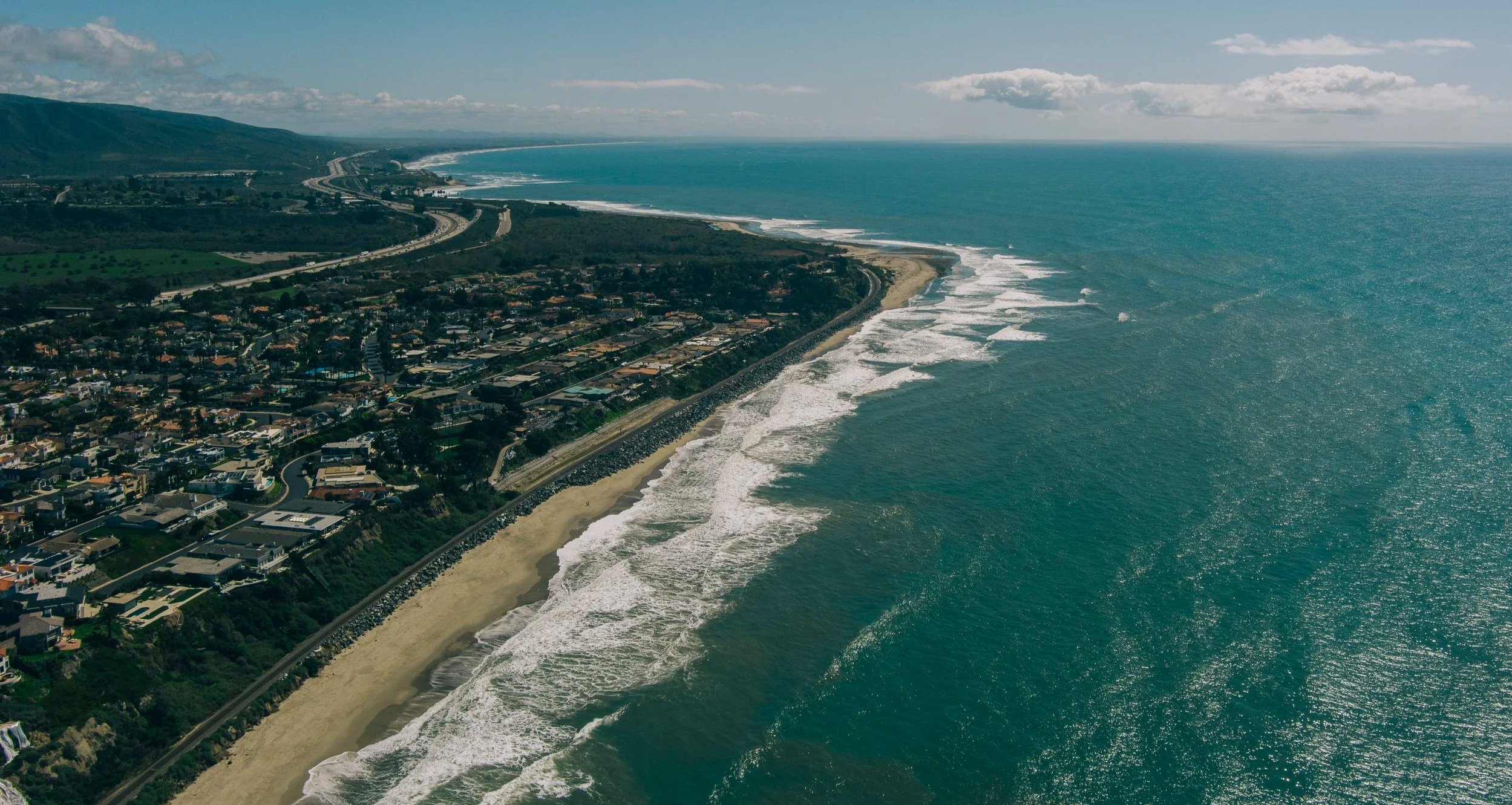
A Sand Reset
A meaningful initial sand placement to rebuild beach width where the system has fallen too far behind.
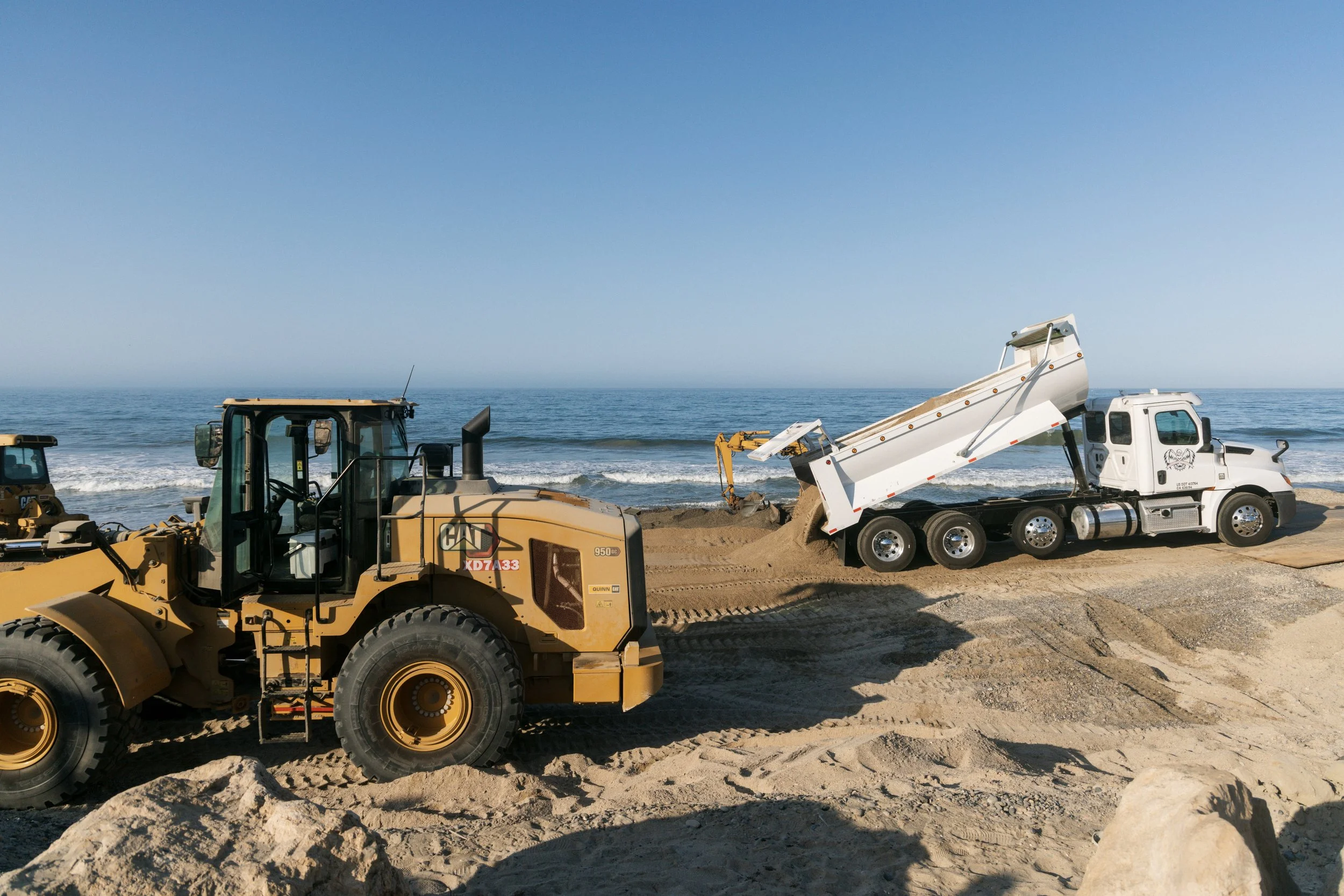
Recurring Maintenance
Beaches need ongoing management. One-time projects rarely solve long-term sand deficits.

Dedicated Funding
Coastal protection requires reliable funding, not one-off emergency responses after the beach is already gone.

Better Monitoring
Regular surveys, shoreline tracking, and transparent data help communities understand what is working.
Want the Deeper Sand Budget Story?
For readers who want the full background, our detailed analysis breaks down how the Capistrano Bight’s sand system changed, why San Clemente is now in deficit, and what it will take to dig out.
Featured