San Clemente’s Vanishing Beaches
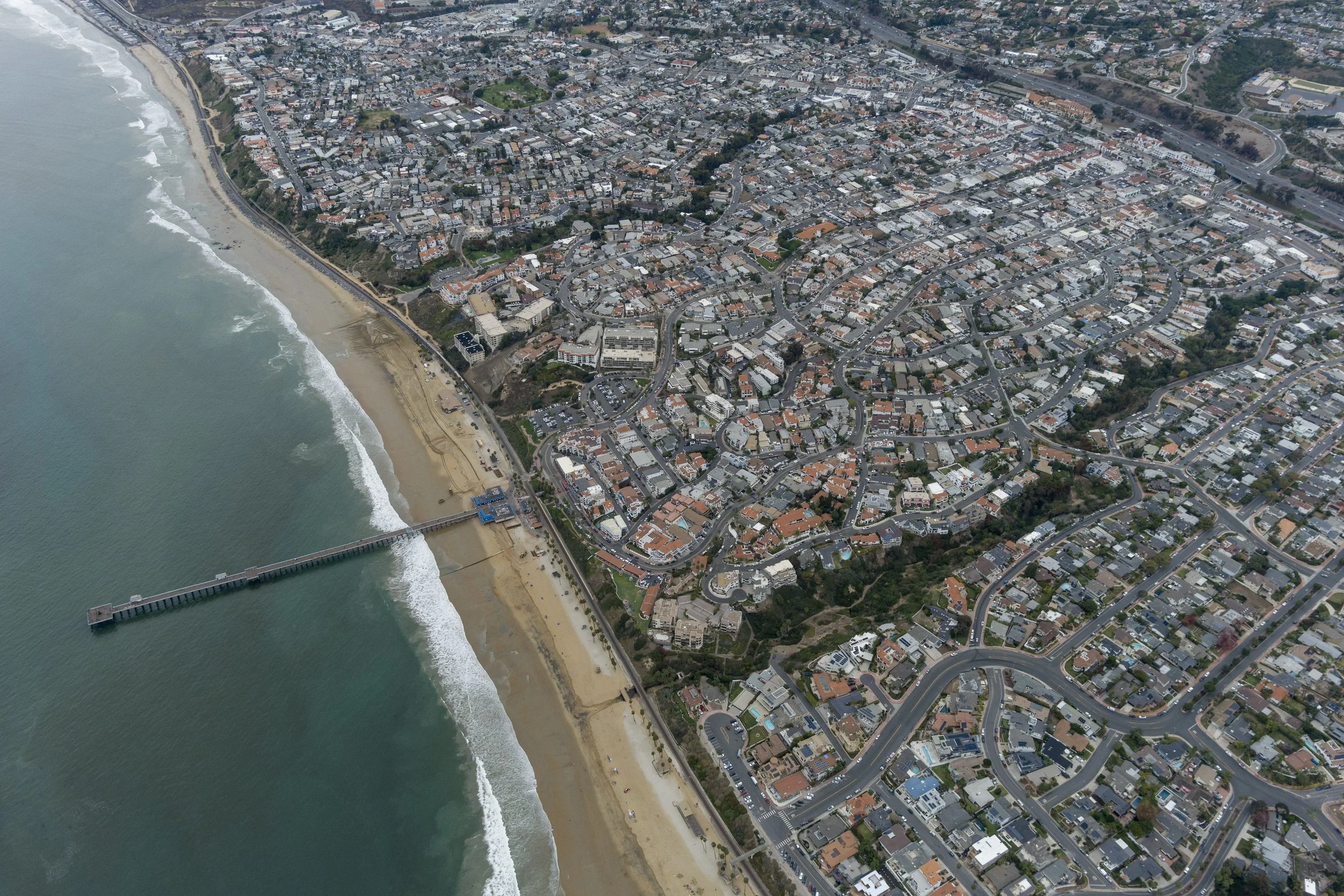
San Clemente’s shoreline is eroding. Once wide, sandy stretches are now narrowed to rip rap and cobble, threatening recreation, ecosystems, and coastal infrastructure. Without action, the loss will accelerate, and the beach many of us grew up with will become a memory.
North Beach, San Clemente
1996 vs 2019
Photos provided by: Don Kindred, San Clemente Journal


Cottons Point, San Clemente
2008 vs 2021


The Root Cause: A Broken Sand Supply
For centuries, San Clemente’s beaches were naturally replenished by sand and sediment from nearby cliffs and from creeks like San Juan and San Mateo. That natural conveyor belt has been disrupted:
Upstream development and flood control structures trap sediment before it reaches the coast.
Creek armoring prevents erosion that once supplied beach-quality sand.
Studies show sediment loads along Southern California’s coast have dropped by as much as 91%.
With the pipeline cut off, the ocean takes sand away faster than it’s replaced.


How We Dig Out
Sand still moves here. The issue is supply. Less sand is entering Capistrano Bight than it used to, so beaches spend more time in deficit and narrow over time.
The fix has two parts:
One-time reset: a large placement to rebuild a sandy buffer and get beaches back to a healthier baseline.
Ongoing maintenance: recurring replenishment so the shoreline doesn’t keep ratcheting narrower.
Based on published sediment-budget work, the planning-scale need is on the order of about 2 million cubic yards up front, followed by roughly 40,000–60,000 cubic yards per year going forward, adjusted using shoreline monitoring.
Read the full analysis: The Bight Runs on Sand: What’s Changed and What We Do Next.
Learn More
Featured