Senate Committee Advances Bipartisan Water Infrastructure Bill
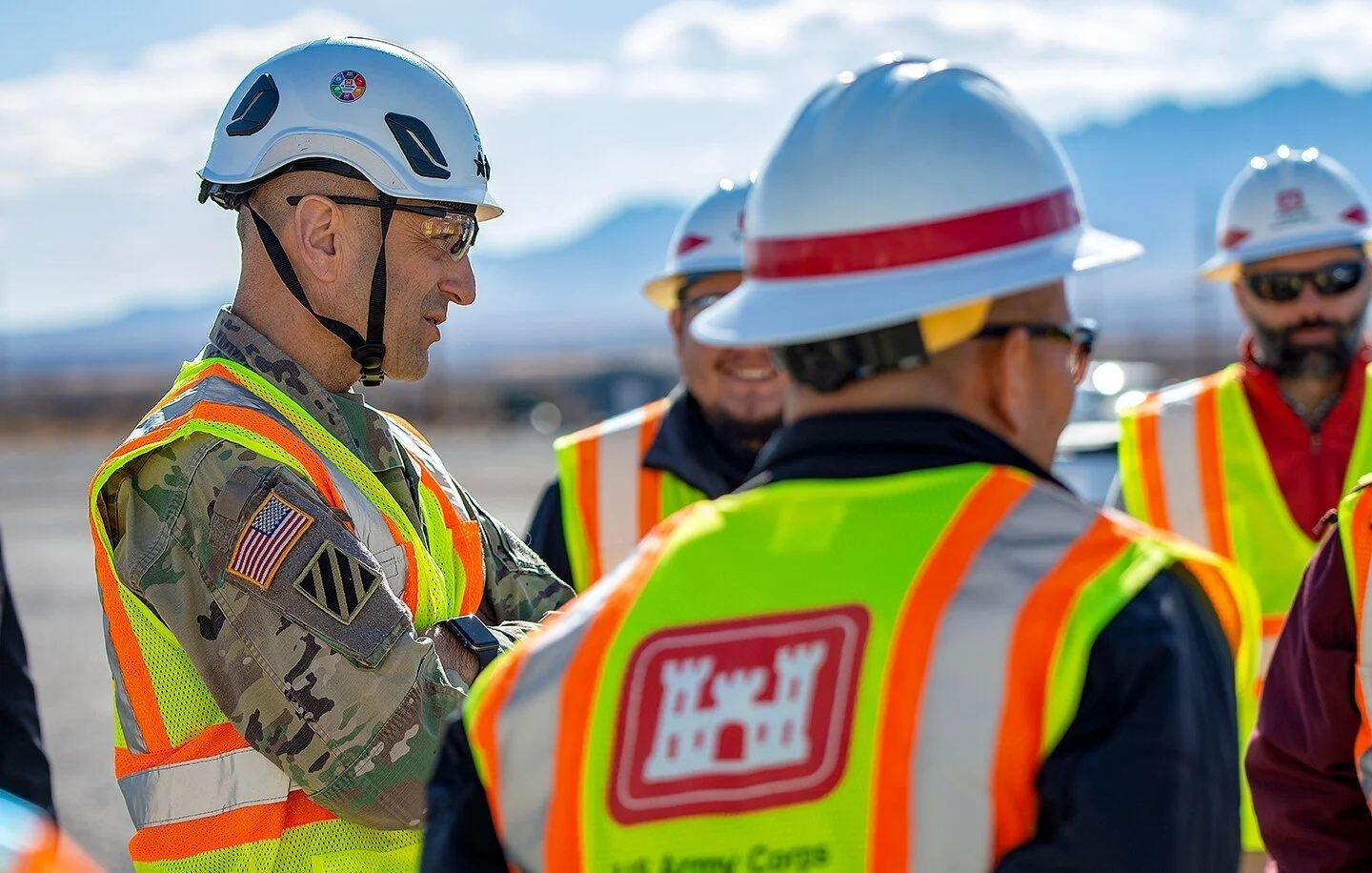
The Senate Environment and Public Works Committee unanimously passed the Water Resources Development Act of 2026, biennial legislation authorizing 61 feasibility studies and 15 construction projects for the Army Corps of Engineers, covering flood risk management, navigation, and ecosystem restoration. The bill also reauthorizes EPA drinking water and wastewater infrastructure funding, including the State Revolving Funds. It cleared committee with support from both parties, including Chairman Shelley Moore Capito and Ranking Member Sheldon Whitehouse.
Florida Seawall Fight Pits Homeowners Against Sea Turtles
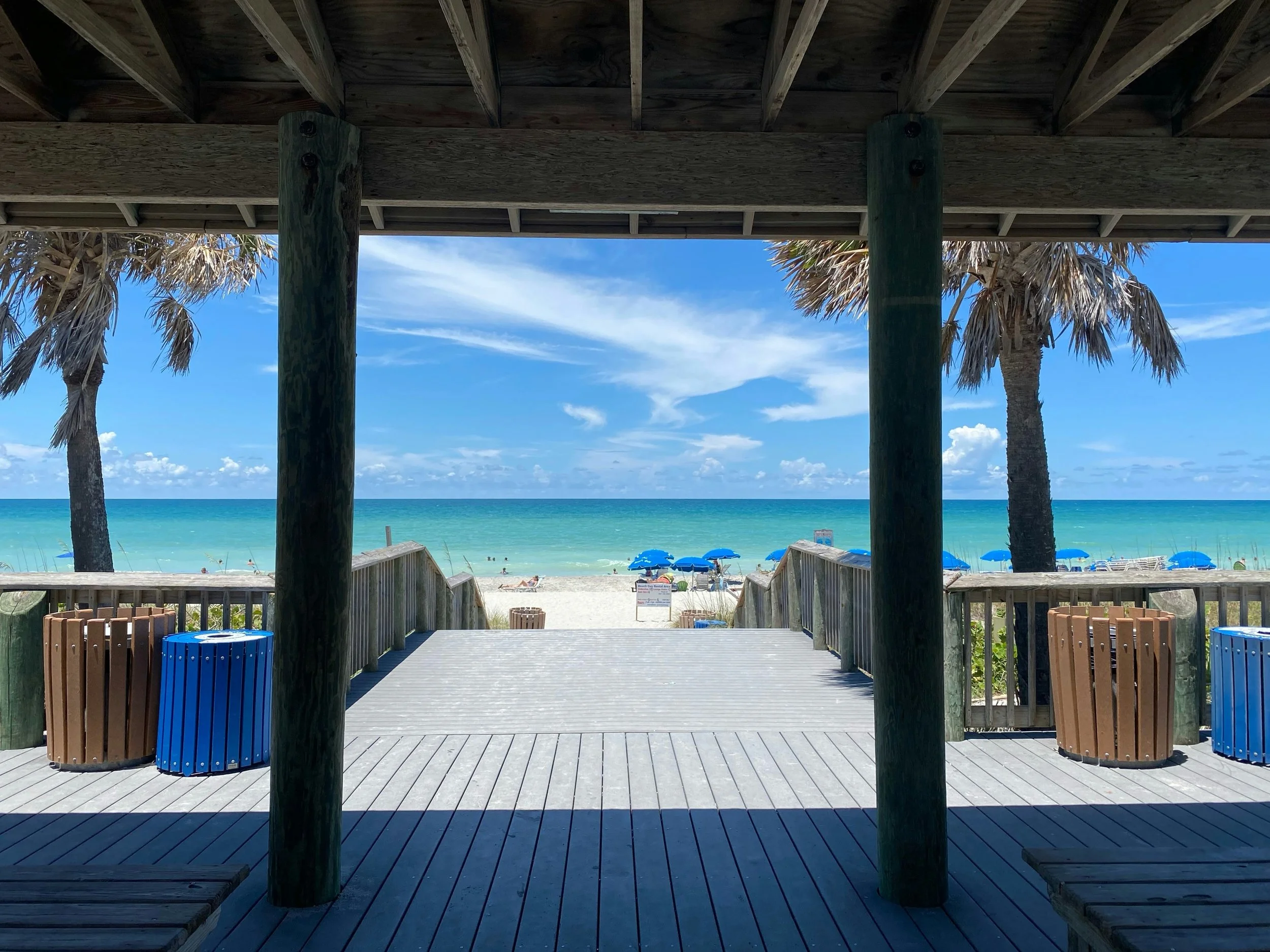
On North Manasota Key, a seawall built to protect one stretch of shoreline is having ripple effects up and down the coast, according to coastal researcher Dr. Ping Wang: reflected wave energy is scouring the beach and cutting off the sand supply neighboring properties depend on. That's left homeowners facing accelerating erosion and considering mitigation of their own, while more than 30 sea turtle nests have washed out as nesting habitat gets squeezed into a narrow strip in front of the wall. Sarasota County denied seawall permits for two properties last May, and a rehearing is set for September 8 as advocates push state and county agencies to see the damage firsthand.
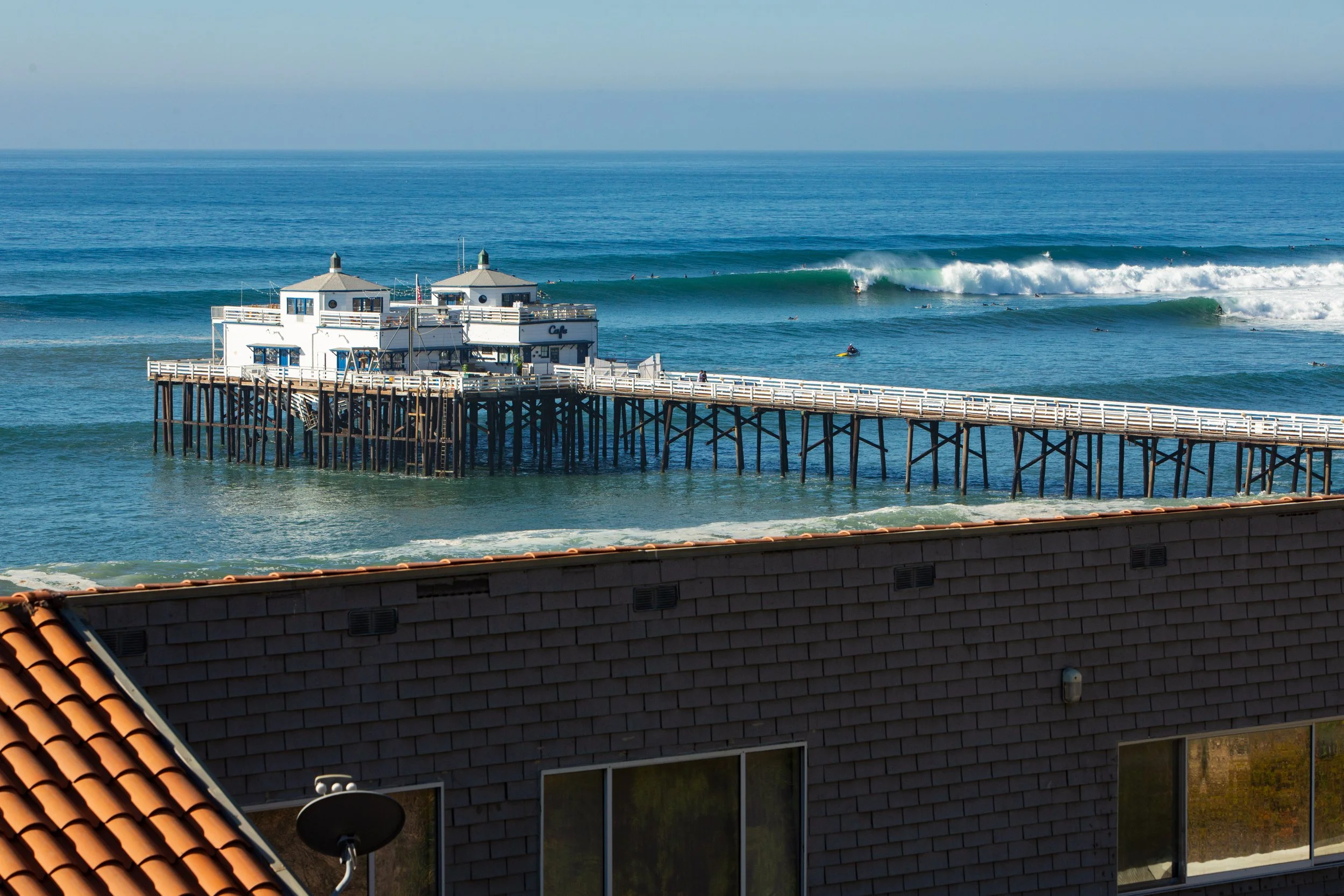
Malibu Sounds Alarm on PCH Erosion, Presses State for Faster Action
Malibu officials are ramping up pressure on Caltrans and state agencies, warning that erosion along the coast is accelerating and putting Pacific Coast Highway's roadway embankment at risk. With El Niño conditions expected this storm season, the city says interim fixes aren't enough and permanent stabilization needs to move faster. The urgency is already visible nearby: high tides and surf forced LA County to close Westward Beach Road and the Point Dume parking lot after erosion carved out 8-foot drop-offs and damaged restroom water lines, with no reopening timeline yet.
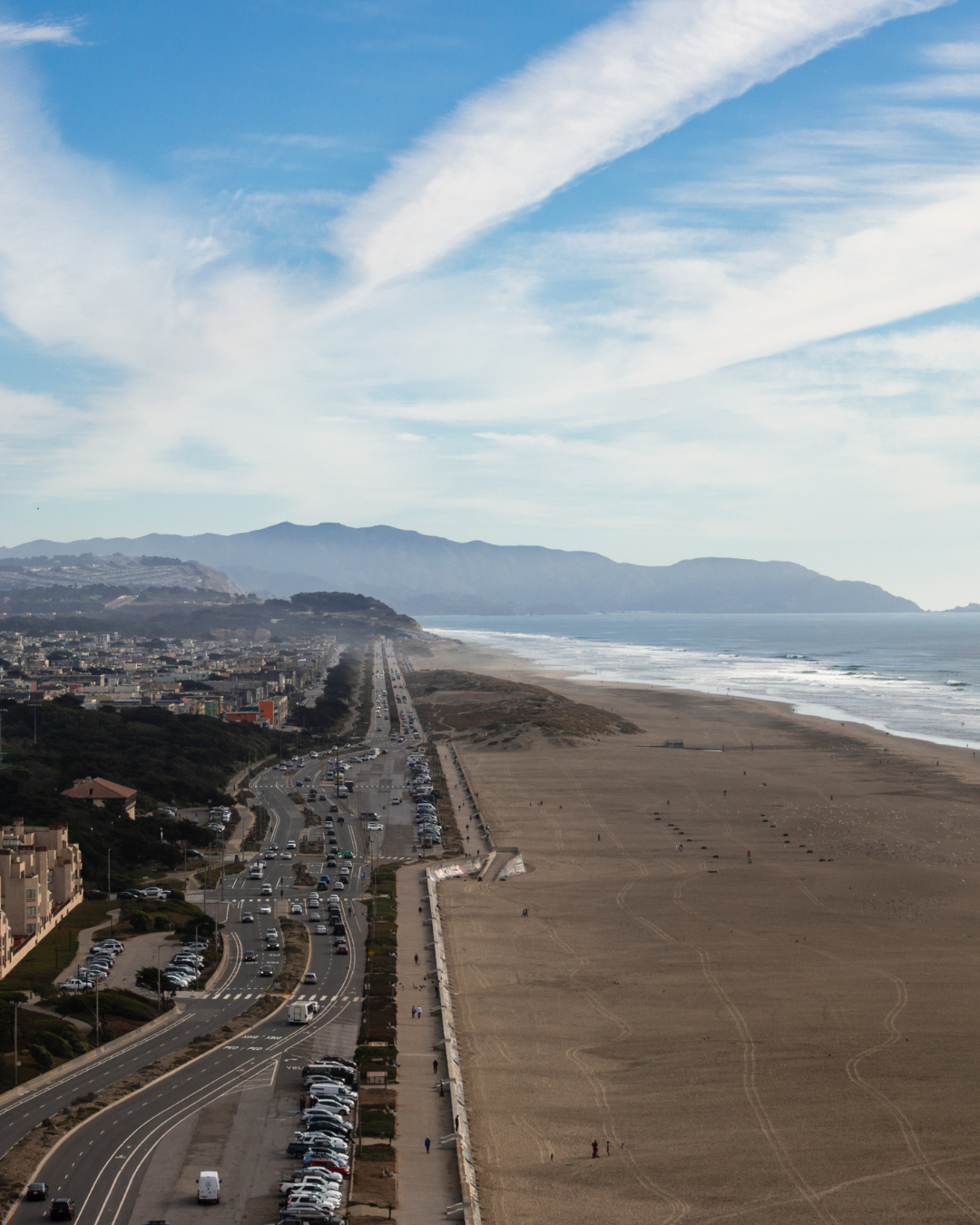
SF's $175M Seawall is Stirring Up a Sand Mystery
San Francisco is planning one of the largest seawalls in California history to protect a sewage treatment plant at Ocean Beach, but scientists warn that hardening the coastline could accelerate the very erosion it's meant to stop. Nobody fully understands why sand has been migrating from the beach's south end to the north since the 1980s, and researchers argue that building a major structure without answering that question first is a significant gamble.

Maui Trades a Seawall for a “Burrito"
A Māʻalaea condominium in Maui has won county approval to remove its aging seawalls and replace them with a buried sand-filled geotextile "burrito" structure, a new native dune, and a public beach-access ramp—all for $2.4 million. It's a rare and encouraging example of aging hard armoring coming down in favor of a softer, more nature-friendly approach.
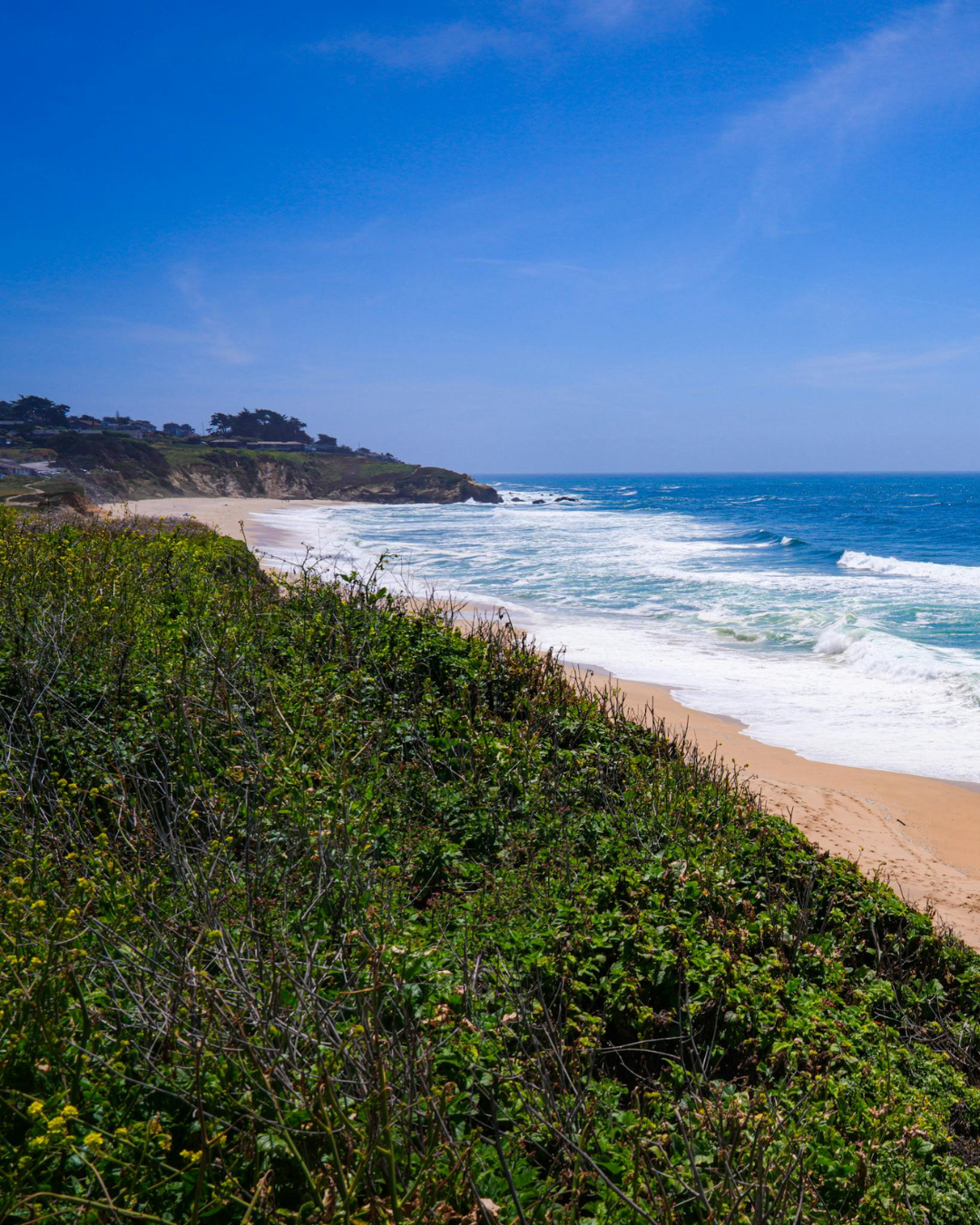
Pacifica Surfers Propose an Artificial Reef to Fight Erosion
Pacifica surfers and engineers are pitching an artificial reef—roughly 20,000 truckloads of boulders submerged offshore in a triangular pattern—to slow waves, reduce erosion, and widen the beach. The side benefit: a potential world-class surf break. City and county officials are on board and have applied for state funding, though coastal experts caution it's not a silver bullet and needs more study before construction.
NC Scientists Warn About Hardened Structures
North Carolina's Coastal Resources Commission Science Panel released a draft report warning that building seawalls or terminal groins protects one stretch of coast at the expense of others, and can lead to loss of the public beach. As one CRC member put it: "You're picking who gets protected at the expense of someone else." The report lands as the state Senate moves forward with bills to roll back NC's longstanding ban on hardened structures.

Federal Funding Gets a Permanent Fix Proposal
Congressman Jeff Van Drew has introduced the bipartisan Coastal Trust Fund Act, which would establish a $1 billion per year fund for beach replenishment and protection, funded through existing offshore energy lease revenues rather than new taxes. It's a push to end the cycle of coastal towns waiting on disaster-driven federal funding and treat beach protection like the permanent infrastructure investment it should be.